The AI Enablement Brief · Apr 2, 2026
The $0 Agent Lab
I built 5 agents on a 15-year-old MacBook that was under a couch. Here’s why that matters.
I turned my old MacBook Pro into an agent machine.
Over the last three months, I’ve built five very specific agents using Claude Code. Each one has distinct goals, skills, and MCP connections — from content workflows to data pulls to automated monitoring.
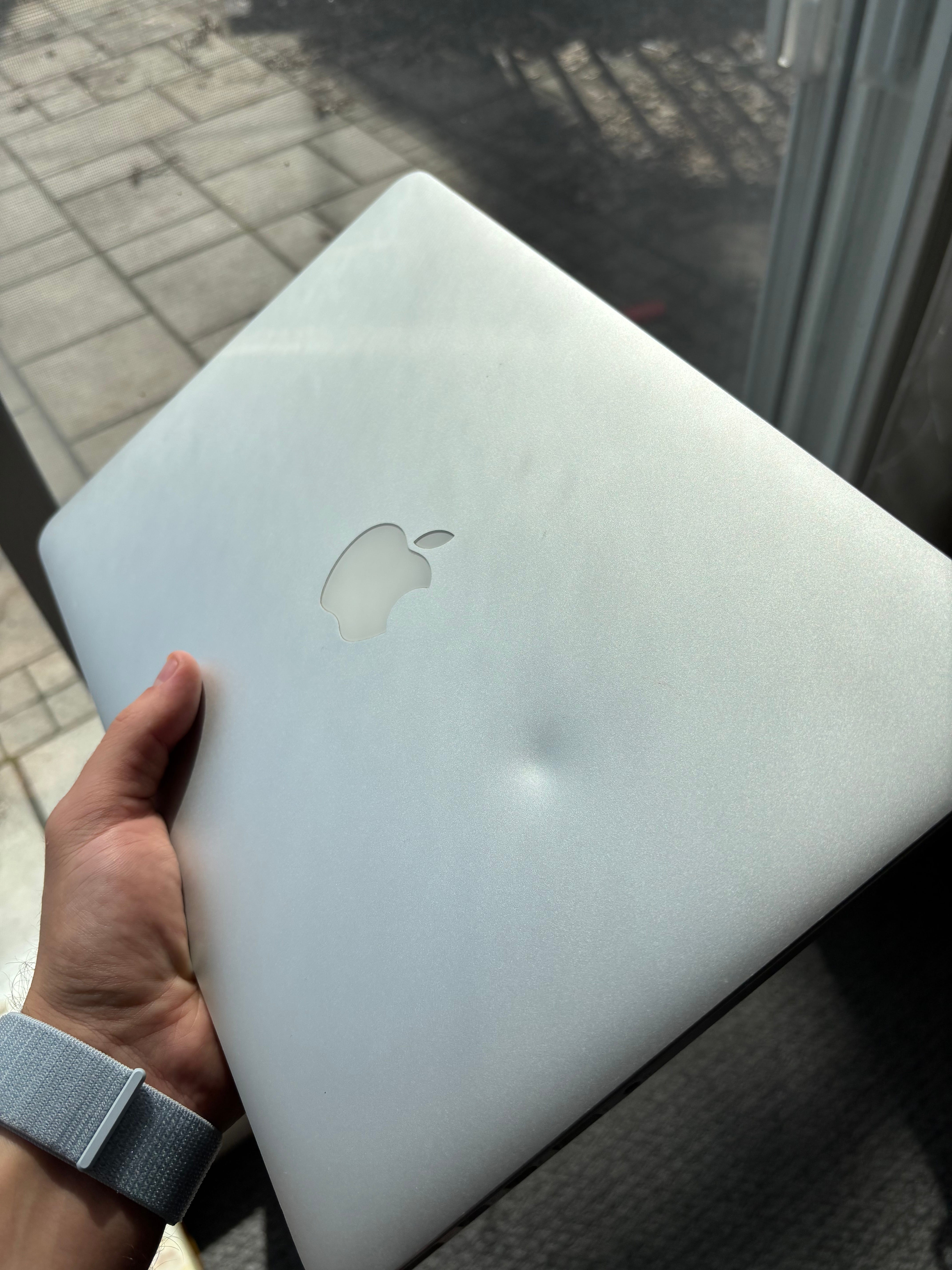
All five are running on a 15-year-old MacBook Pro that was banged up, put away under a couch because it wasn’t being used, and is running on an older macOS version.
Some might even say it’s obsolete. But it works.
The Infrastructure Myth
The conversation around AI agents has an infrastructure problem — but not the one you’d expect.
Browse any enterprise report on agent development and you’ll find numbers that make building agents sound like a capital investment. Development costs range from $25,000 to $300,000+. Cloud infrastructure runs $200 to $2,000 per month. Integration and change management alone account for 35 to 45 percent of first-year total cost of ownership. These are real numbers for enterprise-scale deployments.
But they’ve created a perception problem. When the default narrative around agents involves six-figure budgets and cloud platforms, most people assume they need all of that before they can build their first one. They don’t.
My five agents are running on a laptop that was literally furniture three months ago. No GPU cluster. No cloud platform. No enterprise budget. And they work.
The Conductor, Not the Orchestra
Here’s the thing most people misunderstand about running agents locally: your laptop isn’t running the AI models. It’s directing them.
When you build with Claude Code, the heavy compute happens remotely via API calls. The models run in Anthropic’s cloud. Your local machine’s job is lightweight — it orchestrates the tasks, manages the connections, routes the requests, and handles the file system. It’s the conductor, not the orchestra.
That’s why a 15-year-old MacBook works. It doesn’t need to be powerful. It just needs to be on. The processing power that matters is somewhere else entirely. Your machine is just telling it what to do.
This distinction matters because it collapses the infrastructure barrier for individual builders. You don’t need to spec out hardware. You don’t need to think about GPU memory or processing speed. You need a computer that can run a CLI and maintain an internet connection. That’s it.
The Revenue Test
That being said — I’m not arguing that serious infrastructure doesn’t matter. It does. We’re moving into an era where infrastructure will become the backbone of agentic systems, and as agents get more complex, more autonomous, and more interconnected, the demands on hardware, orchestration layers, and governance platforms will only grow.
But there’s a simple test for when that investment makes sense: are your agents generating real revenue?
If the answer is yes — if agents are running production workflows, serving clients, or processing data at scale — then invest in the infrastructure. Get the Mac Mini. Set up the dedicated server. Build the monitoring stack.
If the answer is not yet — if you’re learning, experimenting, building your first few agents to understand what’s possible — then anything works. A five-year-old laptop. A refurbished desktop. A MacBook that was under a couch.
The infrastructure scales with the revenue. It doesn’t need to lead it.
Getting Started
To build your first agent, here’s what you actually need:
A computer. Any computer. It doesn’t need to be new, fast, or expensive. It needs to run a terminal.
A WiFi connection. The compute happens in the cloud. Your internet connection is the pipeline.
Claude Code installed on any CLI. I use VS Code because I like seeing the file structure and it’s fairly easy to use. More robust than the Mac terminal, and easier than most alternatives out there.
That’s the entire setup. No procurement process. No IT ticket. No waiting for budget approval.
The industry has built an infrastructure narrative around agents that makes the barrier feel higher than it is. Enterprise vendors profit from complexity. Cloud platforms profit from scale. And individual builders sit on the sidelines waiting for permission that was never required.
The Decision
My MacBook doesn’t replace a Mac Mini. It has plenty of limitations. But for my use case — five agents, each with a clear job, running daily — it does the job just fine.
The barrier was never infrastructure. It was the decision to start.